
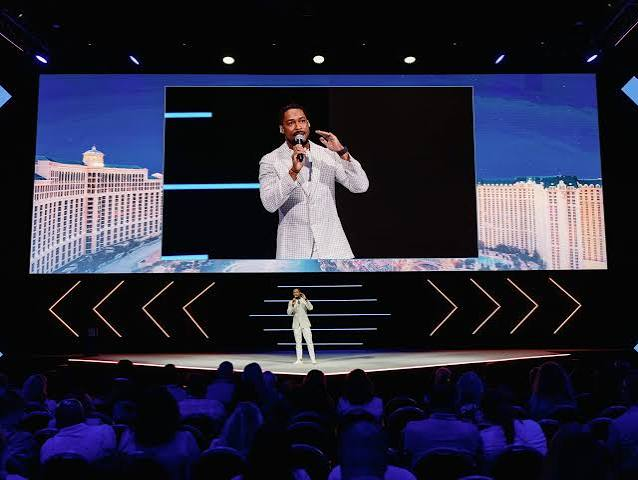
Corporate events bring together employees, clients, business partners, executives, and industry professionals for an important shared experience. While the venue, speakers, presentations, and entertainment all contribute to an event’s success, the corporate emcee Will Gill person guiding the audience through the program can make an equally significant difference. A skilled corporate emcee keeps the event organized, maintains audience attention, and creates smooth transitions between different segments.
A professional such as corporate emcee Will Gill represents the type of experienced host many organizations seek when they want their event to feel polished, engaging, and memorable. From conferences and award ceremonies to company celebrations and product launches, an effective emcee can help create an atmosphere where guests remain involved from beginning to end.
What Does a Corporate Emcee Do?
A corporate emcee is responsible for guiding an event according to its planned schedule. Rather than simply introducing speakers, an emcee often becomes the connecting point between different parts of the program.
The host may welcome guests, introduce executives, explain activities, recognize sponsors, announce awards, and provide important instructions. When there are unexpected schedule changes, the emcee can also help keep the audience informed while organizers make adjustments behind the scenes.
This role requires strong communication skills, confidence, preparation, and the ability to understand the atmosphere of an event. The best hosts know when to be energetic and when to allow serious or meaningful moments to receive appropriate attention.
Why the Emcee Matters at Corporate Events
Corporate audiences can have different expectations from those attending a social celebration. Business events often involve presentations, educational sessions, networking opportunities, awards, and formal announcements. Keeping everything connected requires careful timing and professional communication.
An experienced emcee can help create continuity throughout the program. Instead of having individual segments feel disconnected, the host can introduce each part naturally and explain what guests should expect next.
The emcee also helps maintain momentum. Long pauses, confusing transitions, or unclear announcements can affect the audience’s experience. A confident host can fill transitions appropriately and ensure everyone understands what is happening.
Creating Audience Engagement
Audience engagement is one of the most valuable responsibilities of a professional event host. Even an excellent presentation can lose attention if guests feel disconnected from the overall program.
A corporate emcee can use questions, brief interactions, appropriate humor, audience participation, and energetic introductions to maintain interest. The style should match the organization and the specific event rather than relying on the same approach every time.
For example, a formal leadership conference may require a polished and professional tone, while an employee celebration may allow for more humor and interaction. Understanding the audience helps the emcee choose the right communication style.
Managing Event Transitions
Transitions are often overlooked during event planning, but they can strongly influence how professional an event feels.
A conference may move from a keynote presentation to a panel discussion, followed by a networking session and then an awards ceremony. Each transition needs clear communication so guests know where the program is going.
The emcee can introduce upcoming speakers, thank previous presenters, provide relevant information, and keep the schedule moving. If a speaker needs additional preparation time, the host may also help manage the audience’s attention during the brief delay.
This ability to adapt is especially useful for large corporate events where multiple teams and technical professionals are involved.
Building a Professional Atmosphere
The person standing on stage often becomes one of the most visible representatives of the event. Their communication style can influence how guests perceive the overall organization.
A professional emcee speaks clearly, understands the schedule, maintains appropriate body language, and interacts respectfully with speakers and attendees. Preparation is equally important because accurate names, titles, company information, and event details must be handled carefully.
Professionalism does not necessarily mean being overly formal. A good host can remain approachable while maintaining the level of professionalism expected at a business gathering.
Adding Energy to Conferences and Meetings
Business conferences can include long sessions, technical discussions, and presentations that require significant concentration. Strategic moments of energy can help refresh the audience.
An emcee can introduce speakers with enthusiasm, encourage participation, and create short moments of interaction between sessions. These techniques can make the overall program feel more dynamic without distracting from its primary objectives.
The goal is not to make every moment loud or comedic. Instead, the host should understand the event’s rhythm and adjust energy levels accordingly.
Supporting Awards and Recognition Events
Awards ceremonies require careful coordination because recipients, presenters, sponsors, and organizers all need to be introduced accurately.
A corporate emcee can explain award categories, introduce presenters, announce recipients, and maintain the pace between awards. They can also help create anticipation while ensuring that recognition remains focused on the accomplishments of the recipients.
For companies, these moments can be particularly meaningful because they celebrate employees, teams, partners, or industry achievements.
Handling Unexpected Situations
Even carefully planned events can experience unexpected changes. A presentation may run longer than expected, a speaker may arrive late, technical equipment may need attention, or the schedule may change.
An experienced emcee can respond calmly without making the situation feel disruptive to the audience. Instead of drawing unnecessary attention to problems, the host can communicate useful information and smoothly guide guests toward the next activity.
This flexibility is one reason organizations often consider professional event hosts when planning larger conferences and corporate programs.
Preparing Before the Event
Successful hosting begins well before the emcee walks onto the stage. Preparation may include reviewing the event agenda, learning speaker names and biographies, understanding the organization, discussing pronunciation, and coordinating with event planners.
The emcee may also participate in rehearsals to understand stage layouts, microphones, presentation screens, lighting cues, and timing.
Understanding the audience is another important part of preparation. A host who knows whether guests are employees, executives, customers, industry professionals, or a combination of groups can adjust communication accordingly.
Choosing the Right Corporate Emcee
Organizations should consider several factors when selecting an emcee. Communication ability is important, but it is not the only consideration.
Relevant event experience, preparation habits, adaptability, professionalism, audience interaction skills, and the ability to work with event teams can all matter. It is also useful to consider whether the host’s personality and presentation style match the company’s event objectives.
A suitable emcee should be able to support the program rather than overshadow it. Their role is to help speakers, organizers, and attendees have a smooth experience.
Making Corporate Events More Memorable
A well-organized corporate event should accomplish more than simply following a schedule. It can create opportunities for learning, networking, recognition, collaboration, and stronger relationships.
The emcee contributes by connecting these different experiences. Through clear introductions, engaging transitions, audience interaction, and professional stage management, the host can help turn a collection of individual sessions into a cohesive event.
Whether the occasion is a leadership conference, company celebration, awards night, product presentation, or industry gathering, the right host can become an important part of the event experience.
Final Thoughts
A corporate emcee plays an important role in keeping business events organized, engaging, and professional. From introducing speakers to managing transitions and responding to unexpected changes, the host helps connect every part of the program.
Professionals such as corporate emcee Will Gill illustrate the value of having a dedicated host who can bring communication, energy, and structure to a corporate audience. With proper preparation and an audience-focused approach, a skilled emcee can help organizations create events that guests remember for the right reasons.