
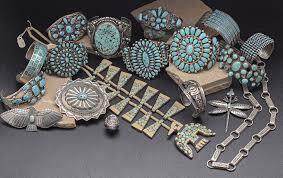
Collecting vintage Navajo jewelry is more than a hobby—it’s a journey into history, culture, and artistry. Each piece tells a story, reflecting centuries-old traditions of the Navajo people, their craftsmanship, and their connection to the natural world. For collectors, enthusiasts, and historians, these pieces hold aesthetic beauty and cultural significance that makes them highly desirable. Understanding how to collect, care for, and appreciate vintage Navajo jewelry requires knowledge, patience, and respect for the art form.
The History of Navajo Jewelry
The Navajo, one of the largest Native American tribes in the United States, have a rich tradition of jewelry-making that dates back to the 19th century. Initially influenced by Spanish silversmithing techniques, the Navajo adapted these methods to create unique jewelry that incorporates turquoise, coral, silver, and other natural materials. By the late 1800s, the Navajo had established a distinctive style featuring bold silver settings, intricate stampwork, and symbolic designs.
Turquoise, often called the “stone of life” by the Navajo, became a hallmark of their jewelry. Its blue and green hues represent sky, water, and life, while coral adds warmth and contrast. Early vintage pieces were handmade using traditional tools, resulting in one-of-a-kind items with irregularities that today collectors prize for their authenticity.
Identifying Authentic Vintage Navajo Jewelry
For anyone interested in collecting vintage Navajo jewelry, identifying authentic pieces is crucial. Genuine items typically have several distinguishing features. First, handmade silver work is a telltale sign. Unlike mass-produced jewelry, vintage Navajo pieces often display minor imperfections, demonstrating the artisan’s handwork.
Turquoise used in authentic vintage jewelry is rarely uniform in color. Natural matrix patterns—veins and inclusions—add uniqueness to each stone. In contrast, imitation stones or modern turquoise often appear too perfect or artificially dyed. Stampwork, which consists of geometric or symbolic patterns engraved into the metal, is another hallmark. Each stamp may represent cultural stories, natural motifs, or tribal identity.
Hallmarks and signatures can also help verify authenticity. Some Navajo artists signed their work, while older pieces may carry traditional marks or initials. However, many vintage pieces were unsigned, so provenance and expert evaluation are often necessary for serious collectors.
Popular Styles and Designs
Vintage Navajo jewelry encompasses a variety of styles, each reflecting different periods and influences. The classic squash blossom necklace is perhaps the most iconic. Characterized by its crescent-shaped pendant, beadwork, and turquoise inlays, this design became popular in the early 20th century and remains highly sought after by collectors.
Concho belts are another traditional form. These belts, often adorned with oval or rectangular silver conchos, combine utility with artistic expression. Inlay bracelets and rings, featuring turquoise, coral, jet, and shell, showcase intricate geometric patterns and highlight the Navajo’s skill in stone setting. Each design carries its own symbolism and regional flair, making every piece distinctive.
Tips for Collecting
When building a collection of vintage Navajo jewelry, several strategies can help collectors find authentic and valuable pieces. First, research is essential. Understanding the history, styles, materials, and notable artists will enable collectors to spot high-quality items and avoid reproductions. Visiting reputable galleries, auctions, and tribal fairs can provide firsthand experience with genuine pieces.
Condition is a key consideration. While minor wear and patina add character to vintage items, significant damage can reduce value. Collectors should also pay attention to the quality of turquoise, silver, and craftsmanship. Pieces with well-preserved stones, clean settings, and clear stampwork are often more desirable.
Building relationships with knowledgeable dealers or appraisers can provide insight into provenance, artist identification, and market trends. Authentication certificates and documented histories increase a piece’s credibility, especially for high-value items. Collectors should also consider their personal taste, as vintage Navajo jewelry comes in a wide range of styles, sizes, and colors.
Caring for Vintage Navajo Jewelry
Proper care preserves the beauty and value of vintage Navajo jewelry. Silver naturally tarnishes over time, but harsh polishing can damage patina and devalue the piece. Using a soft cloth for gentle cleaning and storing items in a dry, separate container prevents scratches and corrosion.
Turquoise and coral are porous and sensitive to chemicals, heat, and sunlight. Avoid exposing jewelry to perfumes, lotions, or cleaning agents. For long-term storage, wrap each piece in acid-free tissue paper or a soft cloth. Periodic inspections by a professional jeweler experienced with Native American pieces help maintain structural integrity and prevent loose stones or damage.
The Investment Potential
Beyond cultural and aesthetic appreciation, vintage Navajo jewelry can be a sound investment. Authentic, well-preserved pieces, particularly those from renowned artists or early 20th-century creations, tend to appreciate over time. The combination of rarity, craftsmanship, and historical significance drives demand among collectors, museums, and investors.
However, investing in vintage Navajo jewelry requires careful attention to authenticity and market trends. Knowledgeable collectors often specialize in specific styles, periods, or artists to increase their expertise and confidence in acquiring valuable items. Balancing passion and prudence ensures that collecting remains both personally rewarding and financially sound.
The Cultural Significance
Collecting vintage Navajo jewelry is not just about aesthetics or investment; it is also about honoring cultural heritage. Each piece reflects the Navajo worldview, storytelling, and spiritual connection to the land. The designs and materials carry symbolic meaning, often representing protection, harmony, and natural elements.
By collecting responsibly and supporting Native artists and communities, collectors can contribute to the preservation of Navajo culture. Understanding the context behind each piece fosters appreciation beyond material value, deepening the collector’s connection to history and tradition.
Where to Start Your Collection
For beginners, starting small is often the best approach. Consider acquiring one or two pieces from reputable sources, such as established galleries, tribal fairs, or auction houses specializing in Native American art. Books, online resources, and museum collections provide valuable reference material for identifying authentic vintage Navajo jewelry.
As knowledge and confidence grow, collectors can expand their focus to more specialized or rare pieces. Networking with other collectors, attending events, and joining online forums dedicated to Native American jewelry provides opportunities to learn, share insights, and discover exceptional items.
Conclusion
Collecting vintage Navajo jewelry is a rewarding pursuit that combines artistry, history, and cultural appreciation. Each necklace, bracelet, ring, or belt is a testament to the skill, creativity, and heritage of the Navajo people. By learning to identify authentic pieces, caring for them properly, and understanding their cultural significance, collectors can build a meaningful collection that stands the test of time.
Whether drawn by aesthetics, history, or investment potential, collectors of vintage Navajo jewelry find themselves immersed in a world where every piece tells a story and every design carries meaning. The allure of these handcrafted treasures lies not only in their beauty but also in their enduring connection to a rich and vibrant cultural tradition.