
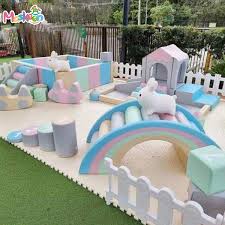
Creating an engaging indoor play area requires more than simply filling a room with toys and colorful decorations. A successful play zone should inspire imagination, encourage physical activity, support social interaction, and provide a safe environment where children can explore freely. Modern soft play equipment makes it possible to transform ordinary indoor spaces into exciting destinations for children of different ages. With thoughtful planning, creative designs, and carefully selected equipment, businesses can develop play environments that are both visually appealing and practical.
Whether designing a play area for a shopping mall, daycare center, family entertainment facility, preschool, or indoor playground, understanding the principles of effective play zone design can help create an enjoyable experience for children and families.
Understanding the Importance of Creative Play Zones
Play is an essential part of childhood development. Through active play, children learn to coordinate their movements, solve problems, communicate with others, and express their creativity. A thoughtfully designed play zone offers opportunities for these activities while making indoor recreation more exciting.
Colorful environments naturally attract children’s attention. Bright walls, imaginative shapes, themed decorations, and interactive play structures can encourage children to explore different areas of a playground. However, the most effective designs balance visual appeal with functionality.
Modern soft play equipment helps achieve this balance by combining cushioned surfaces, climbing structures, tunnels, ball pits, and interactive obstacles. These features allow children to participate in age-appropriate activities while reducing the impact of everyday bumps and falls.
A creative play zone should also provide enough variety to accommodate different interests. Some children enjoy climbing and crawling, while others prefer imaginative games, sensory experiences, or quieter activities. Offering several types of play encourages children to discover activities that match their individual preferences.
Choosing the Right Color Scheme for an Attractive Environment
Color plays an important role in establishing the atmosphere of an indoor playground. A well-planned color scheme can make the space feel welcoming, organized, and visually interesting.
Using Bright and Cheerful Colors
Yellow, orange, green, blue, and red are popular choices for children’s play areas. These colors can be incorporated into padded walls, climbing blocks, slides, tunnels, and ball pits. Combining several complementary colors creates an energetic environment that feels exciting without becoming visually overwhelming.
For example, a rainbow-themed play zone might feature colorful climbing steps, curved tunnels, and padded platforms. Alternatively, a nature-inspired playground could use shades of green, blue, and yellow to create an atmosphere influenced by forests, gardens, and outdoor adventures.
Creating Visual Balance
Although bright colors are attractive, using too many contrasting shades in every section can make a playground appear disorganized. Designers should establish a primary color palette and repeat selected colors throughout the facility.
Neutral flooring, coordinated wall designs, and clearly defined activity areas can balance colorful equipment. This approach makes individual play structures stand out while helping visitors understand the layout.
Different colors can also identify specific activity zones. For instance, a blue section might contain crawling tunnels, while a yellow section features climbing obstacles. Consistent visual cues help children recognize different areas and navigate the playground more easily.
Selecting Modern Soft Play Equipment
Choosing suitable equipment is one of the most important steps in designing a successful indoor playground. The selected structures should match the available floor space, expected visitor numbers, children’s age groups, and the facility’s overall theme.
Soft Climbing Structures
Soft climbing structures encourage children to develop balance, coordination, and confidence through movement. These structures may include padded steps, foam blocks, small climbing walls, ramps, and raised platforms.
Modular climbing equipment is particularly useful because its components can be arranged in different configurations. Businesses can create simple layouts for younger children or more challenging activity sequences for older age groups when the equipment is specifically designed for their needs.
Slides and Ball Pits
Slides and ball pits remain popular features in many indoor play environments. A padded slide provides an enjoyable activity, while a ball pit offers opportunities for movement, exploration, and imaginative games.
Designers should consider the height of slides, the dimensions of landing areas, suitable age recommendations, and safe entry and exit points. Ball pits also require practical access for cleaning, inspection, and maintenance.
Tunnels and Interactive Obstacles
Crawling tunnels, soft bridges, stepping pods, and obstacle courses add variety to play zones. These features encourage children to move through different challenges and explore the environment independently.
Interactive panels, rotating elements, and sensory activities can further enhance the experience when selected for the intended age group and installed according to the manufacturer’s instructions.
Combining several equipment types creates a more engaging playground than relying on one large structure alone.
Designing Different Zones for Different Activities
An effective play zone should have a clear layout that supports different activities without creating unnecessary congestion. Dividing the facility into smaller areas helps children find activities they enjoy and allows staff to supervise the space more effectively.
Active Play Areas
Active zones can include climbing frames, slides, tunnels, and soft obstacle courses. These spaces should provide sufficient room for movement, with appropriate separation between equipment and designated circulation routes.
The layout should avoid unnecessary intersections between children entering an activity and those leaving it. Clear sightlines also help caregivers and staff monitor the area.
Imaginative Play Areas
Creative play areas allow children to develop stories and participate in pretend activities. A miniature town, soft-play castle, underwater adventure, or space-themed environment can turn ordinary equipment into part of an imaginative experience.
Themed decorations, colorful padded structures, and interactive accessories can support storytelling without making the area difficult to clean or maintain.
Quiet and Sensory Areas
Not every child wants continuous physical activity. A quieter section with soft seating, tactile panels, and age-appropriate sensory toys can provide a comfortable alternative.
These areas are particularly valuable in larger playgrounds because they offer children a place to take a break before returning to more energetic activities.
Prioritizing Safety in Playground Design
Colorful equipment and imaginative themes attract visitors, but safety must remain the foundation of every design decision. A visually impressive playground is only successful when children can use it within a carefully managed environment.
Start by selecting equipment manufactured for commercial play environments and appropriate for the intended users. Follow installation instructions, age and height recommendations, occupancy limits, and applicable local safety requirements.
Important considerations include:
- Impact-absorbing surfaces: Install suitable flooring beneath and around equipment according to the relevant fall-height requirements.
- Adequate spacing: Maintain the required clearances between structures, walls, and other potential hazards.
- Secure construction: Ensure equipment is correctly assembled, anchored, and inspected.
- Visibility: Arrange structures so staff and caregivers can supervise children effectively.
- Hygiene: Use suitable cleaning procedures for padded surfaces, shared toys, tunnels, and ball pits.
- Routine inspections: Check for damaged coverings, exposed foam, loose fittings, worn seams, and other maintenance concerns.
Soft materials can help reduce certain injury risks, but soft play equipment is not automatically risk-free. Appropriate supervision, regular maintenance, and well-planned layouts remain essential.
Making the Most of Available Space
Not every business has a large area available for an indoor playground. Fortunately, modern soft play equipment can be adapted to different room sizes.
In compact spaces, vertical arrangements may provide several activities within a smaller footprint, provided the structures meet applicable height, access, and safety requirements. Multi-level play structures can combine climbing, crawling, and sliding activities in one integrated design.
Smaller facilities can also benefit from modular equipment that can be rearranged as visitor needs change. For larger venues, separate play zones and clearly marked pathways can help distribute visitors throughout the facility.
Before purchasing equipment, measure the room carefully and account for entrances, emergency exits, support columns, ceiling height, accessible routes, and required safety clearances. Planning these details early helps avoid costly changes during installation.
Incorporating Modern Design and Technology
Contemporary playgrounds can combine traditional physical activities with thoughtful interactive features. For example, wall-mounted games, light-based activities, and interactive sensory panels can encourage children to respond to visual or sound cues while moving around the space.
Technology should complement physical play rather than dominate the environment. Equipment should remain age-appropriate, durable, and easy to maintain.
Lighting is another important design element. Bright, comfortable illumination makes the playground more inviting and supports visibility. Decorative lighting can reinforce a theme, but it should not create glare, distracting effects, or poorly illuminated corners.
Businesses should also consider durable materials, replaceable components, and energy-efficient lighting to support long-term operating needs.
Maintaining Equipment and Keeping the Play Zone Fresh
A well-designed playground requires ongoing care. Regular maintenance helps preserve the appearance of colorful structures while supporting hygiene and safety.
Create a maintenance schedule covering daily cleaning, routine visual inspections, and more detailed checks at appropriate intervals. Follow the equipment manufacturer’s recommendations for approved cleaning products, repairs, and replacement parts.
The playground can also remain interesting through occasional changes to decorations, seasonal themes, and activity arrangements. Modular equipment makes these updates easier without requiring a complete redesign.
Customer feedback can reveal which activities children enjoy most and where the layout could improve. Monitoring visitor movement and gathering suggestions from parents can help businesses make practical decisions about future upgrades.
Conclusion
Designing colorful and creative play zones with modern soft play equipment involves combining imagination, functionality, safety, and thoughtful space planning. From bright climbing structures and engaging ball pits to themed adventure areas and quiet sensory corners, every feature should contribute to a positive experience for children.
By selecting suitable equipment, establishing a coordinated color scheme, organizing activities into clear zones, and maintaining high safety standards, businesses can create indoor playgrounds that appeal to families and encourage repeat visits.
Ultimately, the best play environments are not simply colorful spaces filled with equipment. They are carefully designed places where children can explore, move, socialize, and discover new possibilities through play.