
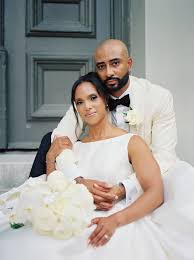
Choosing the right wedding photographer is one of the most important decisions couples make when planning their wedding. Wedding photography captures the emotions, celebrations, and meaningful details that make the day unforgettable. From the excitement of getting ready to the final moments on the dance floor, a skilled photographer preserves memories that couples can enjoy for years to come. When searching for a DC wedding photographer , it is important to consider experience, photography style, communication, and professionalism to find someone who understands your vision.
Washington, DC, offers a beautiful variety of wedding settings, including historic landmarks, elegant hotels, outdoor gardens, and intimate venues. Each location presents unique photographic opportunities and challenges. The right professional will know how to work with these environments while capturing authentic moments and creating timeless images. Understanding what to look for can help you make a confident decision and enjoy a smoother wedding photography experience.
1. Identify Your Preferred Wedding Photography Style
Before contacting photographers, take time to explore different photography styles. Every photographer has a distinctive approach to capturing weddings, and choosing someone whose work matches your preferences will help ensure that your final gallery feels personal.
Some popular wedding photography styles include:
- Traditional photography: Focuses on formal portraits, family photographs, and carefully arranged group shots.
- Documentary photography: Captures natural moments as they happen, emphasizing genuine emotions and spontaneous interactions.
- Fine art photography: Uses thoughtful composition, creative lighting, and artistic details to create elegant images.
- Editorial photography: Emphasizes fashion-inspired portraits, dramatic compositions, and polished visual storytelling.
Many professionals combine several styles to provide a balanced collection of images. For example, you might prefer candid photographs during the ceremony and reception but also want beautifully composed portraits with your partner.
Review complete wedding galleries rather than relying only on social media highlights. This helps you understand how consistently a photographer captures different lighting conditions, emotional moments, and wedding activities.
2. Look for Experience With Washington, DC, Weddings
Local experience can be valuable when selecting a wedding photography professional. Washington, DC, has a diverse range of venues, from historic buildings and formal ballrooms to outdoor locations with impressive architectural backgrounds.
A photographer familiar with the area may understand how to plan portraits around changing weather, crowded public spaces, venue restrictions, and available natural light. They may also be able to suggest attractive locations for couple portraits or recommend an appropriate timeline for photographs.
Ask potential photographers whether they have worked at your chosen venue or similar locations. Request examples of weddings photographed in comparable settings.
If you are planning an outdoor ceremony, discuss backup options in case of rain or extreme temperatures. For indoor venues with limited natural light, ask how the photographer handles dim lighting without compromising image quality.
Local knowledge does not replace technical skill, but it can make wedding-day planning more efficient and help prevent avoidable delays.
3. Review Portfolios and Complete Wedding Galleries
A photographer’s portfolio provides an initial impression of their artistic ability, but a complete wedding gallery offers a more realistic picture of their work.
Highlight photographs often represent the photographer’s strongest images. Reviewing an entire wedding collection helps you evaluate consistency from preparation and ceremony through portraits, reception activities, and evening celebrations.
Pay attention to several important details:
- Image sharpness and overall technical quality.
- Natural-looking skin tones and balanced colors.
- Ability to photograph different skin tones accurately.
- Effective use of indoor and outdoor lighting.
- Emotional storytelling and candid moments.
- Creativity in capturing wedding decorations and personal details.
Notice whether the photographs feel authentic and whether the photographer captures meaningful interactions rather than relying entirely on posed images.
It is also helpful to look for variety. A strong gallery should include wide shots that establish the setting, close-up details, family portraits, and intimate moments between the couple.
4. Establish Your Wedding Photography Budget
Wedding photography prices vary depending on experience, coverage hours, editing requirements, travel, and additional services. Before making a decision, establish a realistic budget that reflects your priorities.
When comparing packages, avoid focusing exclusively on the lowest price. An inexpensive package may offer limited coverage, fewer edited images, or additional charges for services you expected to be included.
Ask each photographer to explain what their package covers. Important details include the number of coverage hours, estimated image delivery time, number of photographers, travel expenses, editing services, and any album options.
You should also clarify the payment schedule, deposit requirements, cancellation terms, and arrangements if the photographer becomes unavailable.
A written agreement protects both parties by clearly outlining expectations. Read it carefully before making a commitment.
Remember that wedding photographs are lasting keepsakes. Finding a professional whose work and service meet your needs is often more valuable than selecting a photographer based on price alone.
5. Schedule a Consultation Before Booking
A consultation allows you to discuss your wedding plans and determine whether a photographer understands your expectations. This conversation can take place in person or through a video call.
Explain your preferred photography style, wedding schedule, venue details, and any important family or cultural traditions. Share examples of photographs you admire, but remain open to professional suggestions.
Consider asking the following questions:
- How do you approach photographing a full wedding day?
- How do you help couples feel comfortable in front of the camera?
- What happens if the wedding schedule changes?
- Do you work with a second photographer?
- How do you handle unexpected weather or lighting challenges?
- When can we expect to receive our finished photographs?
The photographer’s communication style matters as much as their technical ability. Someone who listens carefully, answers questions clearly, and respects your preferences can help make the experience more comfortable.
6. Evaluate Professionalism and Communication
A wedding photographer does more than take pictures. They coordinate with the couple, work alongside other vendors, manage important moments, and adapt when plans change.
Professionalism should be evident from the first interaction. Look for timely responses, organized planning, transparent pricing, and a willingness to explain the process.
A dependable photographer should discuss the wedding timeline in advance and identify moments that require special attention. These might include the first look, family portraits, ceremony traditions, speeches, and the first dance.
It is also important to discuss how the photographer will interact with guests. A professional should be able to direct formal portraits efficiently while remaining discreet during emotional or spontaneous moments.
Trust is essential because your photographer will be present during many personal moments throughout the celebration. Choose someone whose presence makes you feel comfortable and respected.
7. Understand Image Delivery, Editing, and Usage Rights
Before signing a contract, make sure you understand what happens after the wedding. Editing and delivery practices can differ significantly between photography professionals.
Ask how the final images will be delivered, whether an online gallery is included, and how long the gallery will remain accessible. Find out whether you will receive high-resolution files suitable for printing.
You should also ask about the editing process. Most wedding photographers select and edit photographs to maintain a consistent visual style. However, extensive retouching or special editing requests may involve additional costs.
Clarify the rights associated with your photographs. Determine whether you can print, download, and share the images for personal use. Ask whether the photographer intends to publish photographs on a website, portfolio, or social media account and whether you can discuss privacy preferences.
These details help prevent misunderstandings and ensure that you know exactly what to expect.
8. Consider Engagement Sessions and Additional Services
An engagement session can be a helpful way to become comfortable with your photographer before the wedding. It gives you an opportunity to practice posing, understand how the photographer provides direction, and discover which approaches produce natural-looking photographs.
Washington, DC, offers many possibilities for engagement portraits, including scenic gardens, attractive city streets, and locations with distinctive architecture. Your photographer can help you choose a setting that reflects your personalities and relationship.
Depending on your needs, you might also consider a second photographer, wedding albums, rehearsal dinner coverage, or extended reception photography.
A second photographer can capture simultaneous moments, such as the couple’s preparations in separate locations. Printed albums offer a convenient way to preserve favorite photographs beyond digital storage.
Choose additional services based on your schedule, preferences, and budget rather than assuming every option is necessary.
9. Book Early and Finalize the Details
Once you find a photographer whose style, availability, and services meet your expectations, avoid leaving the booking process until the last minute. Experienced professionals may receive inquiries well in advance, particularly for popular wedding dates and busy seasons.
Confirm the wedding date, venue, coverage hours, package price, payment schedule, and delivery expectations in writing. Provide an initial timeline and update the photographer when important arrangements change.
As the wedding approaches, prepare a list of essential family portraits and special moments you want documented. Share the list beforehand so the photographer can organize group photographs efficiently.
Allow enough time in the schedule for portraits, travel between locations, and unexpected delays. A realistic timeline helps everyone remain relaxed and gives the photographer more opportunities to capture meaningful images.
Conclusion
Choosing the perfect DC wedding photographer requires more than comparing prices or selecting attractive portfolio images. Couples should evaluate photography style, local experience, complete galleries, communication, package details, and professional reliability before making a decision.
Start by identifying the visual style you love, then compare photographers who understand your vision and can work confidently within your wedding setting. Ask thoughtful questions, review contracts carefully, and ensure that expectations are clearly documented.
The right professional will combine artistic skill with careful planning and a genuine understanding of your priorities. With thoughtful research and open communication, you can find a wedding photographer who captures the atmosphere, relationships, and unforgettable moments that make your celebration uniquely yours.