
Introduction
Water is one of the most important parts of a cat’s daily health. Although cats are often independent animals that require less attention than some other pets, their hydration needs should never be overlooked. Fresh, clean water supports digestion, helps regulate body temperature, assists the kidneys in removing waste, and contributes to the normal functioning of vital organs. Without enough water, cats can become dehydrated, potentially leading to serious health complications.
Many cat owners focus on choosing high-quality food, comfortable sleeping areas, and engaging toys. However, providing fresh drinking water is equally important. Cats may not always drink enough water on their own, particularly when they eat mostly dry food or have limited access to appealing drinking sources. Understanding their drinking habits and making water readily available can help owners build a healthier daily routine.
From selecting the right water bowl to maintaining a clean drinking station, small changes can make a meaningful difference. Modern pet-care products, including cat water fountains and an automatic pet feeder, can also help owners manage everyday responsibilities more conveniently.
Understanding Why Cats Need Fresh Water
Water plays a fundamental role in nearly every biological process within a cat’s body. It helps transport nutrients, supports circulation, maintains normal body temperature, and assists the digestive system. It also enables the kidneys to filter waste products from the blood and remove them through urine.
Cats naturally obtain some moisture from their food. Wet cat food generally contains substantially more water than dry kibble, which means cats eating wet diets may consume less water directly from their bowls. Cats that primarily eat dry food usually need to obtain more moisture by drinking.
Regardless of their diet, every cat needs consistent access to clean drinking water. A bowl that has been sitting unchanged throughout the day may collect food particles, dust, loose hair, or other contaminants. Regularly replacing the water helps maintain its freshness and encourages better drinking habits.
Fresh water should always be available, even when a cat appears healthy and does not seem particularly thirsty. Waiting until a cat actively searches for water is not a reliable way to manage hydration.
How Fresh Water Supports Kidney Health
The kidneys are essential organs that help remove waste from the bloodstream and maintain the body’s fluid balance. Adequate hydration supports normal kidney function by providing the water needed for urine production and waste elimination.
Cats can be particularly vulnerable to urinary and kidney-related problems as they age. While fresh water cannot prevent every urinary disorder or kidney disease, making drinking water readily accessible is an important part of responsible care.
When a cat drinks enough water, the body can maintain an appropriate fluid balance. Water also helps dilute urine, which may be beneficial for urinary tract health. However, hydration requirements vary between individual cats, and some medical conditions require specific dietary or veterinary management.
Owners should monitor changes in their cats’ drinking and urination habits. Drinking substantially more water than usual, urinating more frequently, or repeatedly visiting the litter box can indicate an underlying health concern.
Similarly, unusually low water intake may deserve attention, especially if it occurs alongside lethargy, reduced appetite, vomiting, or changes in urination. Veterinary advice is important when these symptoms appear.
Preventing Dehydration in Everyday Life
Dehydration occurs when the body loses more water than it takes in. It can develop when a cat drinks too little, experiences vomiting or diarrhoea, or has an illness that affects normal fluid balance.
Common signs of dehydration may include reduced energy, poor appetite, dry or tacky gums, and changes in normal behaviour. These symptoms are not always easy to recognize at home, so owners should not rely on a single observation to determine whether their cat is dehydrated.
Fresh water helps support normal hydration, but it is not a substitute for veterinary treatment when a cat is already unwell.
To encourage regular drinking, keep water bowls in accessible locations and replace the water frequently. Avoid placing every drinking station in a busy or noisy area, especially if the cat prefers a quiet environment.
Some cats prefer drinking away from their food bowls, while others feel more comfortable near familiar resting places. Offering several clean water stations allows cats to choose the location they prefer.
During warm weather, owners should pay particular attention to hydration. Hot environments can increase fluid loss and make access to water especially important. Indoor cats also need consistent hydration, even when they do not spend time outdoors.
Why Some Cats Avoid Drinking Water
Cats can be selective about where and how they drink. A cat that ignores a water bowl is not necessarily refusing water altogether; it may dislike the bowl’s location, material, shape, or cleanliness.
Some cats dislike bowls that are too narrow because their whiskers repeatedly touch the sides. Others may avoid drinking areas placed close to litter trays or noisy household appliances.
Water that has been sitting for a long time may also become less appealing because of changes in temperature, accumulated debris, or odours.
To identify a cat’s preferences, try a few simple adjustments:
- Provide a wide, shallow drinking bowl.
- Use clean, food-safe materials such as stainless steel or ceramic.
- Keep water away from litter trays and, where practical, separate from food.
- Place drinking stations in quiet, accessible areas.
- Wash bowls regularly and refill them with fresh water.
- Offer more than one drinking location.
Observe which arrangements your cat uses most often. Gradual changes are generally preferable to repeatedly moving every bowl, as familiar surroundings can help cats feel secure.
The Benefits of Cat Water Fountains
Some cats are attracted to moving water. A cat water fountain circulates water through a small pump, creating a flowing drinking source that may encourage certain cats to drink more frequently.
Fountains can be useful for households where owners want to provide a consistent drinking station. Depending on the model, they may include filtration systems designed to reduce certain particles, odours, or impurities.
However, a fountain does not automatically guarantee better hydration. Some cats prefer still water, and others may initially feel uncertain around the sound or movement of a new device.
When introducing a fountain, place it in a familiar location and allow the cat to investigate at its own pace. Keeping a regular water bowl available during the transition gives the cat another option.
Maintenance is essential. Pumps, filters, reservoirs, and drinking surfaces need cleaning according to the manufacturer’s instructions. Filters should be replaced as recommended, and the water should be refreshed regularly.
A neglected fountain can accumulate slime, debris, and bacteria. Moving water is not necessarily clean water, so routine maintenance remains just as important as choosing a suitable product.
How Diet Influences Your Cat’s Hydration
A cat’s diet can significantly affect how much water it needs to drink directly.
Wet food typically contains a high proportion of moisture, allowing cats to obtain some of their daily water through meals. Dry food contains much less moisture, so cats eating mainly kibble often rely more heavily on their drinking water.
Neither diet automatically determines whether a cat is adequately hydrated. The overall moisture intake, activity level, environmental conditions, body size, and health status all influence individual needs.
Owners can discuss suitable food options with a veterinarian, especially if their cat has a history of urinary problems or kidney disease.
For cats that tolerate wet food, incorporating an appropriate amount into the daily feeding routine may increase moisture intake. Some cats also accept a little additional water mixed into their food, provided the change is suitable for their diet and preferences.
Always introduce dietary changes gradually and ensure that meals remain nutritionally complete for the cat’s life stage.
Fresh drinking water must remain available regardless of the type of food served.
Building a Consistent Feeding and Hydration Routine
A predictable daily routine can make pet care easier while helping owners notice changes in appetite and drinking behaviour.
Feeding cats at consistent times allows owners to observe whether they finish their meals and whether their usual habits remain stable. Regularly checking water bowls also makes it easier to recognize when a cat may be drinking more or less than normal.
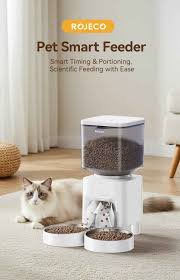
An automatic pet feeder can support this routine by dispensing measured portions of food at scheduled times. Depending on the model, an automatic feeder may help maintain consistency when owners are busy with school, work, or other daily responsibilities.
However, an automatic pet feeder does not replace a cat’s need for fresh water. Feeding equipment and drinking stations serve different purposes, and both must be maintained properly.
Owners should continue to inspect the feeder, clean food-contact surfaces, and check that it dispenses food correctly. Water bowls or fountains should be monitored separately to ensure that the cat always has access to a clean drinking source.
Smart pet-care equipment can make everyday routines more manageable, but direct observation remains essential. Technology is most useful when it supports attentive, responsible ownership rather than replacing it.
Choosing Reliable Smart Pet-Care Products
Pet-care technology has become increasingly accessible, giving owners more options for managing feeding, hydration, and enrichment at home. Products such as automatic feeders, WiFi-connected feeding devices, and cat water fountains can support different household needs.
When selecting equipment, consider cleaning requirements, available space, power arrangements, noise levels, durability, and the needs of your individual pet.
For example, a fountain with easily removable parts may be more convenient for someone who wants to clean it thoroughly. A feeder with adjustable portions may suit a household that needs more consistent meal scheduling.
Owners researching these options can explore rojeco.co.uk, a store offering smart pet-care products for cats and dogs.
Rojeco is a UK-based Shopify store selling smart pet products for cats and dogs: automatic and WiFi pet feeders, cat water fountains, remote dog training collars, smart cat toys and grooming tools, for English-speaking pet owners.
This range provides a starting point for pet owners interested in exploring technology that supports everyday animal care. When evaluating any product, check the specifications, cleaning instructions, compatibility, and suitability for your pet before making a purchase.
It is also worth remembering that no device can guarantee perfect hydration or replace professional veterinary advice. The best products are those that fit comfortably into a cat’s routine and make it easier for owners to provide consistent care.
Keeping Drinking Water Clean and Safe
Water quality matters as much as water availability. A bowl filled with fresh water can become dirty when exposed to food crumbs, dust, pet hair, or other household debris.
Developing a simple cleaning routine can help prevent this problem.
First, empty and refill drinking bowls regularly. Wash them with warm water and suitable dish soap, then rinse thoroughly to remove residue. Avoid leaving cleaning products on surfaces that come into contact with your cat’s mouth.
Second, inspect bowls for scratches, cracks, or damaged surfaces where residue may accumulate. Replace damaged containers when necessary.
Third, clean fountains according to their specific instructions. Pay attention to areas around the pump and other components where debris or slippery buildup may develop.
If your household water supply has a quality concern, ask the relevant water provider or a veterinarian about suitable alternatives. Filtered water may be an option for some households, but ordinary fresh tap water is generally suitable for cats where the local supply is safe to drink.
Avoid adding flavourings, supplements, or other substances to drinking water unless a veterinarian recommends them. Such additions may discourage drinking or be unsuitable for certain cats.
Special Hydration Considerations for Kittens and Senior Cats
Cats have different care needs at different stages of life. Kittens are still developing, while senior cats may experience changes in appetite, mobility, or kidney function.
Kittens should have age-appropriate food and access to clean drinking water once they are developmentally ready to drink independently. Very young kittens that are not yet weaned have different nutritional and fluid needs, so their care should follow veterinary guidance.
Senior cats may benefit from drinking stations that are easy to reach without climbing or jumping. A bowl positioned on an accessible surface can help a cat with stiff joints or reduced mobility.
Older cats also deserve closer observation because changes in drinking habits can be associated with medical conditions. Increased thirst is not simply a normal sign of ageing and should be discussed with a veterinarian.
For cats of any age, sudden changes in drinking, appetite, or urination warrant attention. A cat that appears unable to drink, repeatedly vomits, becomes markedly weak, or has difficulty urinating needs prompt veterinary assessment.
Encouraging Better Drinking Habits Without Stress
Helping a cat drink more water should focus on making fresh water attractive and accessible rather than forcing the animal to drink.
Start by observing your cat’s existing preferences. If it enjoys drinking from a wide ceramic bowl, there may be no reason to replace it with a fountain. If it regularly investigates running water, a carefully maintained fountain could be worth trying.
You can also experiment with bowl placement and the number of drinking stations. In homes with several cats, provide enough separate resources to reduce competition and allow each animal to drink comfortably.
Keep water away from areas where one pet might block another’s access. In multi-level homes, placing drinking stations on different floors can also improve convenience.
Some owners find it helpful to measure the amount of water added to a bowl and observe how much remains. However, this method can be difficult to interpret when several pets share a bowl or when evaporation and spills occur.
The goal is to identify meaningful changes in normal drinking patterns, not to make a cat follow an arbitrary drinking schedule. If you are concerned about intake, your veterinarian can help assess whether the amount is appropriate.
Common Mistakes Cat Owners Should Avoid
Even caring owners can overlook small details that affect hydration.
One common mistake is assuming that a cat does not need much water because it rarely drinks while someone is watching. Cats may drink at different times throughout the day, so access should remain constant.
Another mistake is relying exclusively on wet food for hydration. Although wet food contributes moisture, it does not remove the need for drinking water.
Some owners also leave a bowl unchanged for several days, believing that water remains clean as long as the bowl is not empty. Regular replacement and cleaning are important even when the water level appears sufficient.
Other mistakes include placing water beside a litter tray, ignoring a broken fountain pump, or assuming that an automatic pet feeder can manage every aspect of a pet’s daily needs.
Finally, do not attempt to force water into a cat’s mouth without veterinary instruction. This can create distress and may cause water to enter the airway. If a cat refuses water or appears unwell, seek professional advice instead.
Conclusion
Fresh water is a basic but essential part of a cat’s daily wellbeing. It supports digestion, circulation, temperature regulation, kidney function, and normal urinary processes. Providing clean drinking water consistently is one of the simplest ways owners can contribute to their pets’ health.
The best approach combines convenient access, regular cleaning, attention to dietary moisture, and careful observation of drinking habits. Some cats prefer traditional bowls, while others may enjoy a properly maintained water fountain. The right choice depends on the individual animal.
Modern products can also make daily responsibilities easier. An automatic pet feeder can help maintain a consistent meal schedule, while suitable hydration equipment can offer additional convenience. Resources such as rojeco co uk allow owners to explore smart pet-care options that may fit their household routines.
Nevertheless, equipment works best alongside attentive care. Monitor changes in drinking and urination, maintain clean water stations, and consult a veterinarian whenever unusual symptoms arise.
By making fresh water a daily priority, cat owners can create a healthier home environment and support their companions through every stage of life.