
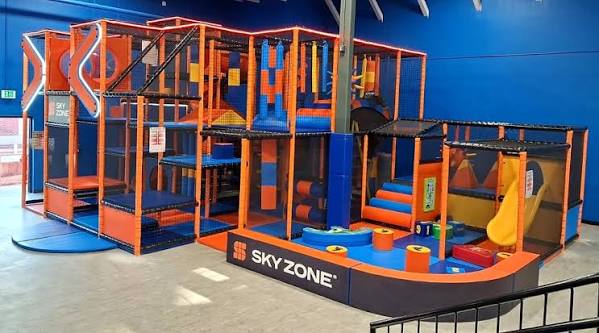
Indoor playgrounds have become popular destinations for children and families, offering exciting environments where kids can play, explore, socialize, and develop important skills. From shopping malls and family entertainment centers to schools, nurseries, and recreational facilities, indoor play areas provide opportunities for fun throughout the year. However, creating a successful playground requires more than attractive equipment and colorful decorations. Choosing a reliable indoor playground Manufacturer is one of the most important decisions for building a safe, engaging, and long-lasting play space.
A professional manufacturer can help transform creative ideas into functional playgrounds that meet safety requirements, suit available space, and provide enjoyable experiences for children of different ages. Understanding what to look for when selecting a manufacturing partner can help business owners make informed decisions and achieve better long-term results.
Understand Your Playground Project Requirements
Before contacting an indoor playground manufacturer, it is important to establish clear project goals. Every playground serves a different purpose, depending on its location, target audience, available space, and operating model.
For example, a family entertainment center may need large climbing structures, interactive games, slides, and themed play zones. A nursery or preschool might prioritize smaller structures, soft play equipment, and activities that support early childhood development. Meanwhile, a shopping mall may benefit from a visually attractive playground that encourages families to spend more time at the venue.
Consider the age groups you intend to serve, the number of children the playground should accommodate, and the types of activities you want to offer. Establishing these requirements early makes it easier to identify a manufacturer capable of delivering a suitable solution.
Evaluate the Manufacturer’s Experience and Reputation
Experience is an important factor when choosing an indoor playground manufacturer. Companies with a strong project history are more likely to understand the practical challenges associated with playground design, equipment production, installation, and maintenance.
Review the manufacturer’s portfolio to see examples of completed projects. Look for playgrounds similar to your planned facility in terms of size, complexity, and intended audience. Photographs, project descriptions, and customer testimonials can provide useful insights into the company’s capabilities.
It is also helpful to ask about previous installations in commercial entertainment centers, educational facilities, or other relevant environments. A manufacturer with diverse experience may offer valuable suggestions for improving space utilization and creating more engaging play experiences.
However, do not rely on promotional claims alone. Request references where possible and verify the quality of previous work before making a final decision.
Prioritize Safety and Quality Standards
Safety should always be a primary consideration when selecting playground equipment. Children need an environment where they can explore freely while minimizing avoidable risks.
A dependable manufacturer should explain how its products are designed, tested, and inspected. Ask about the materials used in climbing structures, slides, padding, barriers, platforms, and other components. Equipment should be appropriate for its intended age group and designed to reduce hazards such as sharp edges, unstable structures, exposed fasteners, and unsafe gaps.
Check whether the manufacturer can provide relevant safety documentation and demonstrate compliance with standards applicable to your project location. Depending on the market, these may include EN 1176, ASTM F1918, or other relevant standards for playground equipment and soft contained play systems. The appropriate requirements depend on the equipment type and intended use.
Also consider fire performance, material durability, hygiene, and impact protection where applicable. Request clear information about cleaning procedures, inspection requirements, and recommended maintenance schedules.
Choosing equipment based on verified safety information rather than appearance alone can help protect children and support responsible facility management.
Explore Customization and Innovative Design Options
An innovative playground should offer more than standard equipment arranged in a room. Its layout should create opportunities for movement, discovery, imagination, and social interaction.
Look for an indoor playground manufacturer that provides customized design services. A capable design team can develop concepts based on your floor plan, ceiling height, architectural limitations, branding, and budget.
Customization may include themed environments, colorful climbing areas, obstacle courses, tunnels, ball pits, interactive panels, slides, and toddler zones. For larger venues, manufacturers may also integrate adventure activities, role-playing areas, and digital play features where appropriate.
Ask whether the company provides three-dimensional design previews or detailed layout drawings before production begins. These visual materials help you understand how the finished playground may look and how children will move between different activities.
A well-designed play space should balance visual appeal with practical considerations, including supervision, accessibility, circulation, and efficient use of available floor space.
Check Material Quality and Manufacturing Capabilities
The quality of the finished playground depends heavily on the materials and manufacturing processes used. Equipment in busy commercial facilities must withstand frequent use, regular cleaning, and the demands of an active environment.
Ask the manufacturer about the construction materials used for structural frames, platforms, netting, padding, slides, and decorative components. Materials should be selected according to their intended application, expected usage, and relevant safety requirements.
Durable finishes, securely assembled components, and appropriate protective padding can contribute to a longer service life. For soft play areas, inspect the quality of foam, upholstery, stitching, and protective coverings. For metal structures, ask about corrosion resistance and the quality of surface treatments.
It is equally important to understand the manufacturer’s production process. Ask how components are inspected, how defects are handled, and whether quality checks take place before shipment.
A transparent manufacturer should be willing to explain its production standards and provide relevant documentation instead of making vague promises about quality.
Compare Pricing, Value, and Project Costs
Budget planning is another essential part of choosing the right manufacturer. However, selecting the lowest quotation may not produce the best long-term value.
Request detailed quotations from several suitable companies. Each quotation should explain the equipment included, customization options, design services, shipping arrangements, installation costs, warranties, and any additional charges.
Compare proposals carefully to identify differences in materials, equipment quantities, project scope, and after-sales support. A lower price may reflect fewer features, lower-grade materials, or limited installation assistance.
Consider the total cost of ownership rather than the initial purchase price alone. Maintenance, replacement parts, cleaning, inspections, and repairs can affect operating expenses over time.
For commercial playground operators, it is also useful to consider how the design supports the business model. An engaging layout with activities for different age groups may improve visitor satisfaction and encourage repeat visits.
The objective is to find a manufacturer that offers dependable quality, appropriate safety measures, and useful design features within your available budget.
Assess Installation Services and Project Management
Even well-manufactured equipment must be installed correctly to perform as intended. Before signing an agreement, clarify whether the manufacturer provides professional installation or works with qualified installation partners.
Discuss the expected project timeline, delivery arrangements, site preparation, installation responsibilities, and final inspection procedures. If the playground is being developed inside an existing building, confirm that the proposed equipment fits the available space and can be installed without interfering with essential building systems.
A reliable manufacturer should communicate clearly throughout the project. You should know when design approval is required, when production will begin, and how potential delays will be managed.
Ask whether the company provides installation guidance, staff training, and documentation explaining how the playground should be operated and maintained.
Clear project management helps reduce misunderstandings and makes the process of opening a new play facility more predictable.
Examine Warranty Coverage and After-Sales Support
A playground manufacturer’s responsibilities should not end when the equipment is delivered. Long-term support is particularly important for commercial venues where equipment may experience heavy daily use.
Review the warranty terms carefully. Determine which components are covered, how long coverage lasts, and whether the warranty includes manufacturing defects or specific structural elements. Also clarify any exclusions, maintenance obligations, and procedures for submitting claims.
Ask whether replacement parts are available and how quickly the manufacturer typically responds to support requests. Access to compatible components can make repairs easier and reduce unnecessary downtime.
A dependable company should also provide practical maintenance guidance, inspection recommendations, and advice on handling normal wear and tear.
Good after-sales support can make a substantial difference in the long-term reliability of an indoor playground.
Consider Hygiene, Accessibility, and Child Development
Modern playground design should support children’s physical, social, and cognitive development. Different activities encourage balance, coordination, problem-solving, communication, and imaginative thinking.
When discussing your project with a manufacturer, consider including a variety of play opportunities. Climbing structures and obstacle courses promote movement, while role-playing zones encourage creativity. Interactive panels and cooperative activities can help children practice decision-making and social skills.
Hygiene is equally important. Choose surfaces and materials that are suitable for regular cleaning and establish maintenance routines appropriate for the equipment. Separate areas for younger children may help create a more comfortable environment for toddlers while reducing conflicts between different age groups.
Where feasible, consider inclusive design features that allow children with different abilities to participate. Clear pathways, thoughtfully designed activity options, and accessible play elements can make the facility more welcoming to a wider range of families.
An experienced manufacturer should help balance these priorities without compromising safety or functionality.
Conclusion
Choosing a reliable indoor playground manufacturer requires careful research, practical planning, and attention to quality. The right partner should understand your project requirements, provide innovative design solutions, use suitable materials, follow applicable safety standards, and offer dependable installation and after-sales support.
By evaluating experience, customization options, manufacturing capabilities, pricing, warranties, and maintenance services, you can make a more informed investment in your play facility.
Ultimately, a successful indoor playground combines creativity, safety, durability, and thoughtful planning. Working with a trustworthy manufacturer helps create an inviting environment where children can explore new activities, develop valuable skills, and enjoy memorable play experiences while giving families and facility operators greater confidence in the space.