
Introduction
Blockchain technology has transformed the way digital transactions are recorded, verified, and monitored. From cryptocurrency exchanges to decentralized finance platforms, blockchain networks support casino analytics financial activities that take place across borders without relying entirely on traditional intermediaries. However, the growth of blockchain-based transactions has also created new challenges involving fraud, financial crime, suspicious activities, and operational risks. Organizations need effective methods to identify potential threats while maintaining transparency and trust.
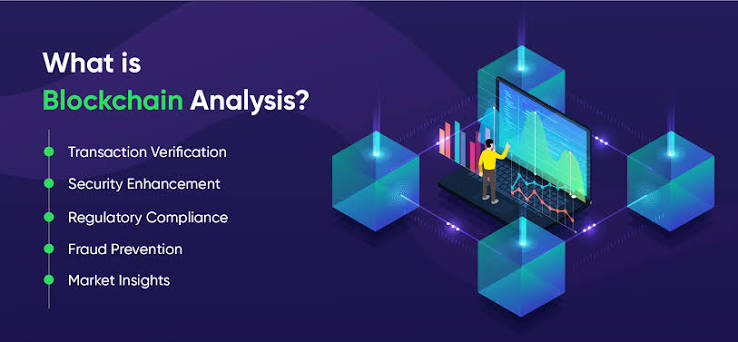
Blockchain analytics has emerged as an important solution for addressing these challenges. It involves examining blockchain transaction data, wallet activity, transaction patterns, and relationships between digital addresses to identify unusual behavior. By converting complex blockchain information into meaningful insights, analytics tools help businesses detect potential fraud, assess risks, and make better decisions.
As digital finance continues to expand, blockchain analytics is becoming an essential component of modern fraud prevention and risk management strategies.
Understanding Blockchain Analytics
Blockchain analytics refers to the process of collecting, examining, and interpreting data stored on blockchain networks. Since many blockchains maintain publicly accessible transaction records, analysts can study transaction histories and identify patterns that may indicate suspicious activities.
Unlike traditional financial databases, blockchain records are generally distributed across a network and linked through cryptographic methods. Depending on the blockchain, transaction information may include wallet addresses, transferred amounts, timestamps, transaction fees, and other publicly available details.
Analytics platforms organize this information to help users understand how digital assets move between addresses. They may also apply statistical models, machine learning, and network analysis to identify unusual transaction behavior.
Blockchain analytics does not automatically reveal the real-world identity of every wallet owner. Instead, it helps investigators identify relationships, trace transaction flows, and prioritize activities that require further examination.
How Blockchain Analytics Helps Detect Fraud
1. Identifying Suspicious Transaction Patterns
One of the main advantages of blockchain analytics is its ability to identify transaction patterns that differ from normal activity. Fraudulent transactions may involve unusual transfer amounts, unexpected transaction frequency, or rapid movements of digital assets between multiple addresses.
Analytics systems can monitor these patterns and flag transactions that meet predefined risk criteria. For example, a wallet that suddenly begins sending unusually large amounts of cryptocurrency may require additional review if its activity differs significantly from its previous behavior.
Automated alerts allow compliance teams to investigate potential problems earlier. Although unusual activity does not necessarily prove fraud, identifying it quickly can reduce the time between a suspicious event and an appropriate response.
2. Tracing the Movement of Digital Assets
Blockchain transactions create records that analysts can examine to understand how assets move between addresses. This capability can support investigations involving stolen cryptocurrency, unauthorized transfers, and other suspected financial crimes.
Investigators may follow transaction paths across several addresses and examine whether funds eventually reach a known exchange, a service associated with elevated risk, or another relevant destination.
Transaction tracing can also help organizations reconstruct the movement of assets following a reported incident. This information may support internal investigations, regulatory reporting, and cooperation with authorized law enforcement agencies.
However, tracing becomes more difficult when transactions pass through multiple networks, privacy-enhancing services, or platforms with limited transparency. Therefore, blockchain analysis should be combined with other investigative methods when necessary.
3. Detecting Wallets Associated With Known Risks
Risk intelligence is another important feature of blockchain analytics. Some analytics platforms maintain databases of wallet addresses associated with reported scams, sanctioned entities, stolen funds, or other documented concerns.
When a transaction involves an address included in such a database, the system can generate an alert for further review.
Organizations can use these insights to strengthen transaction screening and improve their ability to identify potentially dangerous counterparties. Risk information may also help exchanges and digital asset businesses evaluate whether additional verification is necessary before processing certain transactions.
Nevertheless, wallet labels and risk classifications should be assessed carefully. An address may be incorrectly attributed, and legitimate transactions can sometimes involve indirect connections to suspicious entities. Reliable decisions require supporting evidence and appropriate review procedures.
The Role of Blockchain Analytics in Risk Management
1. Improving Risk Assessment
Effective risk management requires organizations to understand the potential threats associated with their customers, transactions, and business relationships. Blockchain analytics provides additional information that can support these assessments.
For example, a cryptocurrency platform may examine transaction histories, exposure to previously identified risks, and patterns of interaction with other addresses. These indicators can contribute to a broader risk profile.
Businesses can use risk scores to prioritize investigations and allocate compliance resources more effectively. Higher-risk transactions may receive additional scrutiny, while routine activity can follow standard monitoring procedures.
Risk scores should not be treated as definitive judgments. They are analytical indicators that support decision-making rather than replace professional evaluation.
2. Supporting Regulatory Compliance
Digital asset businesses often operate within regulatory frameworks that require appropriate customer verification, transaction monitoring, sanctions screening, and suspicious activity reporting.
Blockchain analytics can help organizations meet these obligations by providing transaction histories, risk indicators, and investigative records. Compliance teams can use these tools to identify activity that may require further investigation under applicable laws and regulations.
When combined with customer due diligence and know-your-customer procedures, blockchain analytics can provide a more comprehensive understanding of financial activity.
Its usefulness depends on the quality of the underlying data, the capabilities of the selected platform, and the organization’s compliance procedures. Businesses must also consider privacy requirements and legal obligations in every jurisdiction where they operate.
3. Reducing Financial and Operational Losses
Fraud can create financial losses, damage customer confidence, and increase operational costs. Blockchain analytics helps organizations recognize potential threats earlier and respond through established security procedures.
For instance, a digital asset service may use transaction monitoring alerts to temporarily escalate a transfer for review when its risk indicators warrant further investigation. Depending on its policies and legal obligations, the organization may request additional verification or take other appropriate protective measures.
Earlier detection can improve incident response and reduce the potential impact of suspicious activity. Analytics can also help organizations identify recurring weaknesses in their controls and improve future prevention strategies.
However, no monitoring system can guarantee that every fraudulent transaction will be identified or that transferred assets can always be recovered.
Advanced Technologies Strengthening Blockchain Analytics
Artificial Intelligence and Machine Learning
Artificial intelligence and machine learning can improve blockchain analytics by identifying patterns across large volumes of transaction data. Instead of relying exclusively on fixed rules, suitable models can learn from historical examples and detect behavior that differs from established patterns.
These technologies may help identify unusual transaction relationships, changing risk indicators, and emerging forms of suspicious activity.
Their effectiveness depends on training data, model design, and ongoing evaluation. Poor-quality data can produce inaccurate results, while changing criminal behavior can reduce the reliability of previously effective models.
Network Analysis
Network analysis examines relationships between blockchain addresses and transactions. By representing addresses as connected points, analysts can study how funds move through a network and identify relationships that may be relevant to an investigation.
This approach is particularly useful when individual transactions appear ordinary but their broader connections raise concerns.
Network analysis can help investigators understand transaction histories more completely, although relationships between addresses do not automatically establish common ownership or criminal intent.
Real-Time Monitoring
Real-time monitoring allows organizations to evaluate transactions as blockchain activity occurs. Rather than relying entirely on periodic reviews, businesses can receive alerts when transactions meet specific risk conditions.
This approach supports faster investigation and more timely decisions. It can be especially valuable for cryptocurrency exchanges, digital asset custodians, and financial technology companies handling large transaction volumes.
Challenges and Limitations of Blockchain Analytics
Despite its advantages, blockchain analytics has several limitations. Public blockchain data may not provide enough information to identify the person behind a wallet. Investigators may need additional evidence from regulated service providers, customer records, or other lawful sources.
Privacy-focused technologies and cross-chain transactions can also make tracing more complicated. Furthermore, analytics systems may generate false positives, incorrectly flagging legitimate activity as suspicious.
Organizations must therefore balance security with customer privacy, operational efficiency, and fair treatment. Strong access controls, regular model testing, documented investigation procedures, and human oversight can help address these concerns.
Another challenge is the rapidly changing nature of digital asset markets. New blockchain networks, financial products, and transaction methods continue to emerge, requiring analytics providers to update their tools and risk intelligence.
Best Practices for Implementing Blockchain Analytics
Businesses seeking to improve fraud detection should adopt a structured implementation strategy.
First, they should define clear objectives, such as detecting suspicious transfers, strengthening compliance, or improving incident investigations. These goals help determine which analytical capabilities are necessary.
Second, organizations should select tools that support their blockchain networks, transaction volumes, reporting requirements, and security standards.
Third, blockchain analytics should be integrated with customer verification, transaction monitoring, cybersecurity controls, and internal reporting systems. Combining multiple information sources generally provides a stronger risk assessment than relying on blockchain data alone.
Finally, employees should receive appropriate training, alerts should be reviewed consistently, and detection models should be evaluated regularly. Organizations should also maintain clear procedures for escalating concerns and documenting investigative decisions.
Conclusion
Blockchain analytics plays an increasingly important role in fraud detection and risk management by transforming transaction records into useful intelligence. It helps organizations identify suspicious patterns, trace digital asset movements, evaluate wallet-related risks, and support regulatory compliance.
Technologies such as artificial intelligence, network analysis, and real-time monitoring can further improve the speed and depth of blockchain investigations. Nevertheless, analytics tools have limitations and should not be viewed as complete solutions to financial crime.
The most effective approach combines reliable analytical technology with strong compliance procedures, human judgment, data protection, and continuous improvement. As blockchain adoption grows, organizations that use analytics responsibly will be better positioned to manage uncertainty, protect digital assets, and maintain trust in an increasingly connected financial environment.